Water flossers have become one of the most talked-about oral care gadgets in recent years. Walk into any pharmacy or scroll through social media, and you’ll see sleek devices promising cleaner teeth, healthier gums and an easier alternative to traditional flossing. No wonder so many patients ask us, “Are water flossers any good?” and “Do dentists recommend them?”
We’re going to get to the bottom of whether water flossers are the real deal and whether they should replace string floss. We’ll dive into how they work, when they’re useful, and what we tell our patients. Plus, we give a final rating out of 10 on whether we actually recommend them.
A water flosser (you may know the term “Waterpik”) is a handheld device that uses a small motor to produce a pressurised stream of water. When aimed between the teeth or along the gumline, the water helps flush away loose debris and food particles.
Patients often describe them as easier or more comfortable than traditional string floss and for some people, that’s true. But comfort alone doesn’t determine effectiveness.
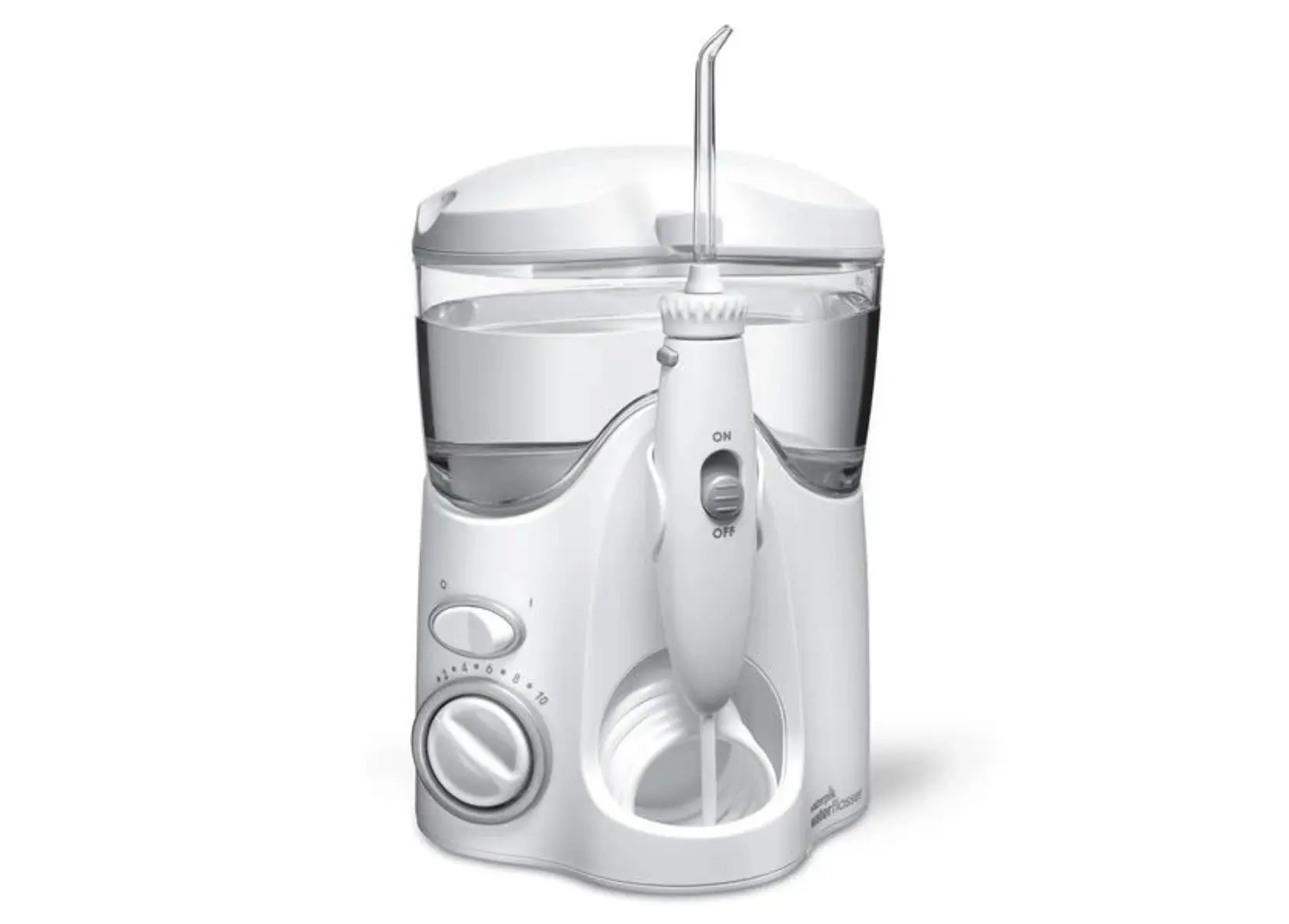
The biggest misconception about water flossers is that they can “replace” flossing or interdental brushes. They can’t – and here’s why.
The water jet feels powerful when it leaves the device, but the moment it hits your teeth, the force drops. Water just isn’t strong enough to break up sticky dental plaque (biofilm). It may feel thorough, but it’s only effective at rinsing away food particles – not the plaque that leads to gum disease.
Floss and interdental brushes physically scrub the tooth surface and gum line – and that mechanical action is essential. Water alone simply can’t do that job.
Water flossers can be helpful in the right situations – something is always better than nothing.
For patients who struggle to hold floss or position interdental brushes, a water flosser can be useful.
Fixed orthodontic appliances and certain restorations trap food easily. A water flosser helps rinse these areas efficiently.
If you often get food lodged between your teeth, a water flosser will clear it quickly.
While water flossers have a place, they come with clear limitations.
They simply don’t remove biofilm effectively, especially in areas not directly aligned with the water stream.
Even for dental professionals, aiming the water precisely at the contact point where plaque hides is challenging.
Because teeth feel clean afterward, patients sometimes believe they’ve removed plaque – when they haven’t.
Water flossers require charging, counter space and ongoing replacement tips. It’s also a messy activity.
So, do water flossers work? In short, they’re helpful, but not a substitute for mechanical cleaning.
A lot of patients ask: “Can I replace regular string flossing with water flossing?”
The answer: no, as they’re not equivalent. Water flossers weren’t designed to replace floss or interdental brushes. They’re best thought of as an adjunct: something to use in addition to your core cleaning routine, not instead of it.
If we were to rank interdental cleaning methods based on effectiveness, this is how we think they compare:
This doesn’t mean water flossers are “bad.” It simply highlights that mechanical contact matters most when it comes to removing plaque.
Also, bear in mind that in people with severe, untreated gum disease, water flossers can sometimes cause problems. Because the gums are already inflamed and loose, a strong water jet may irritate the tissue and, in rare cases, trigger a painful gum abscess.
Here’s a few tips:
If your gums bleed or feel sore after using a water flosser, let our dental team know so we can review your technique.
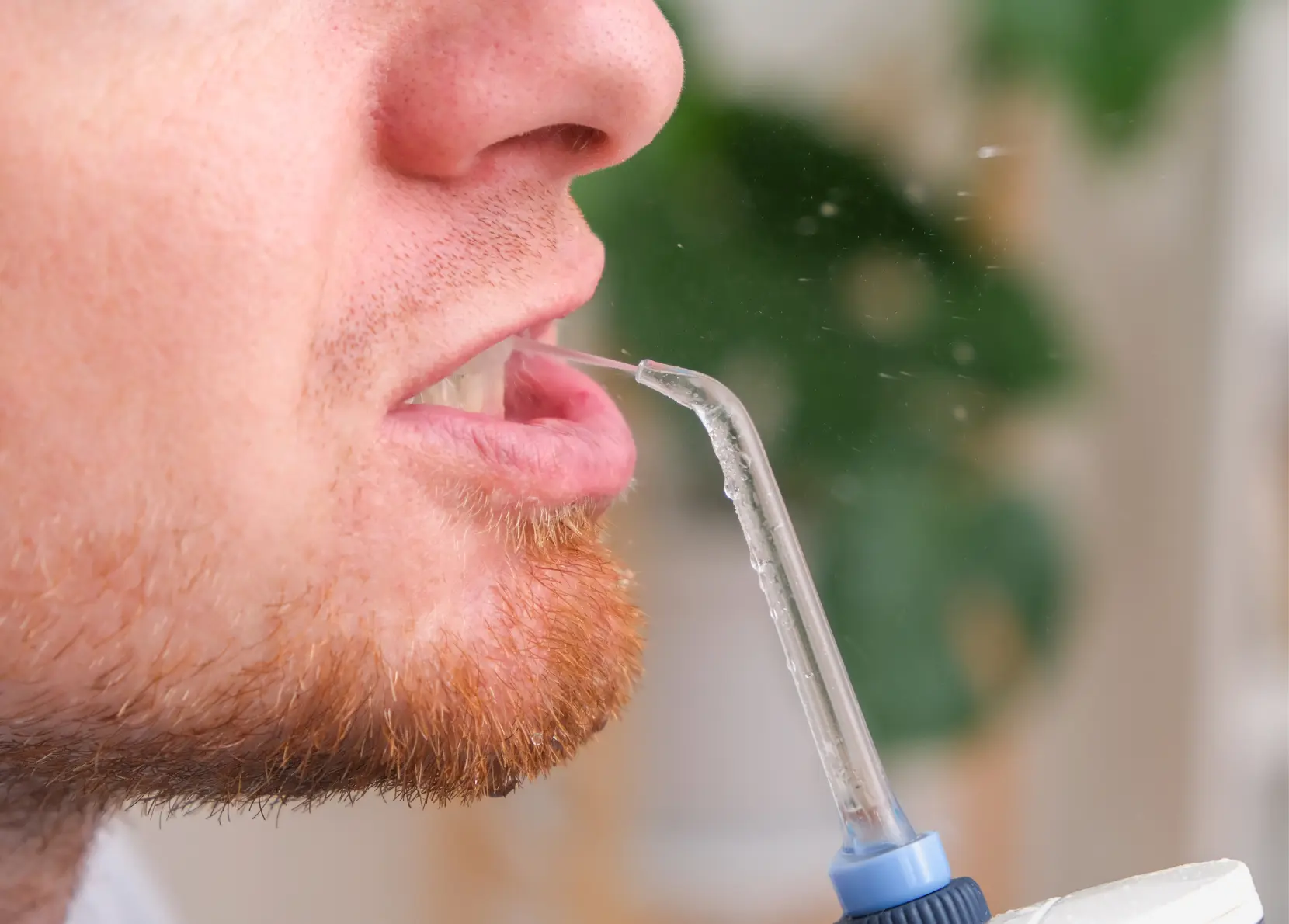
Because “Waterpik” has become almost a generic term for water flossers, many patients assume they need a specific brand. In reality, most models perform similarly. Instead of focusing on brand names, look for:
But remember: a water flosser is not essential for everyone. For most patients, a toothbrush and well-fitted interdental brushes offer everything needed for daily gum health.
At EO Perio, our approach is simple: use the tools that let you clean your teeth effectively – and consistently.
For many patients, this means:
Water flossers have a place, especially for patients with braces, bridges or dexterity issues. But they’re not necessary for everyone, and they don’t replace the mechanical cleaning required for good oral health.
Water flossers can be a helpful addition to your routine, but they’re not a magic solution. Most results are universally disappointing when assessed objectively, and if you look at water flosser reviews, it’s a mixed bag.
Biofilm needs physical disruption – and no amount of water pressure can replace bristles or floss. If you’re unsure which tools are right for your mouth, ask your dental practitioner – a personalised recommendation makes all the difference.
Let us help you find the right tools and routine for your smile.
Book appointment


