“Can gum disease be cured?” It’s a question we hear all the time at EO Perio, and it’s understandable. Gum disease can feel worrying, but knowing the facts makes a big difference.
The truth is, there’s no simple “yes” or “no” answer. Gum disease behaves very differently depending on how advanced it is. Our goal is to help you understand the different stages of gum disease, what’s reversible, and whether it can be managed.
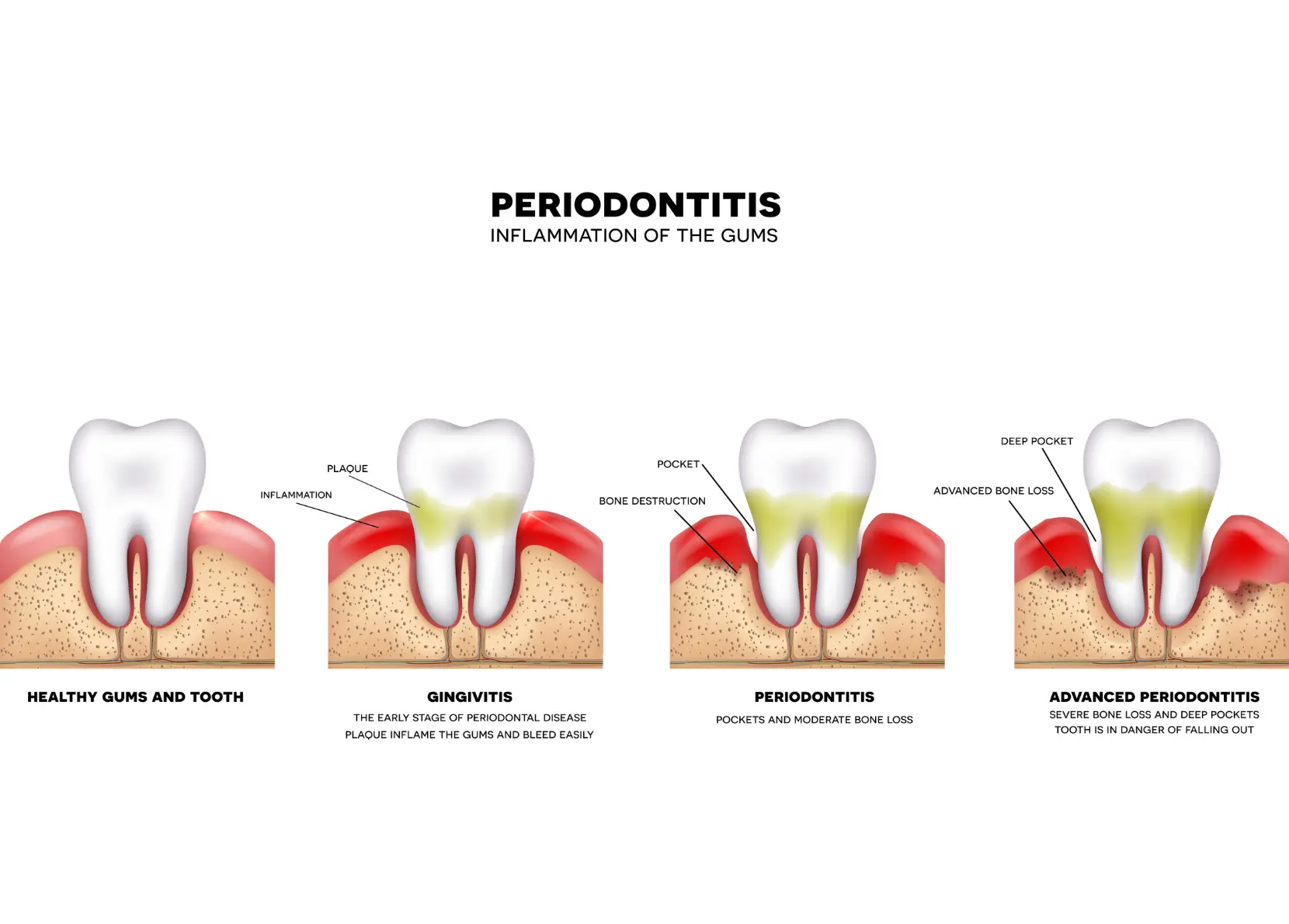
Gum disease is a broad term that covers two main stages: gingivitis and periodontitis.
Gingivitis is inflammation of the gums caused by bacterial plaque along the gum line. It can cause redness, swelling, and bleeding – but at this stage, no bone is lost. This means gingivitis is reversible with proper home care and professional cleaning.
Yes. By removing plaque and consistently cleaning daily, the gums can heal quickly. With the right guidance, this stage is highly treatable.
If inflammation is left untreated, bacteria in the mouth begin to move below the gum line and attach to the root surfaces. Over time, this leads to gum recession, damage to the soft tissues, and irreversible bone loss around the teeth.
No. Once bone loss occurs, advanced periodontitis cannot be fully cured. But it can be fully controlled. At this stage, the goal of periodontal therapy is not to “cure” it, but to help control and stabilise it. We work with you to reduce inflammation and prevent further damage so it no longer affects your function or quality of life.
You can read more about the early stages of gum disease here.
Many people assume gum disease is just an infection that can be fixed with antibiotics or a single deep clean. In reality, periodontitis is a chronic inflammatory disease, similar to diabetes, hypertension, or rheumatoid arthritis. The main difference is that periodontitis is driven by a combination of bacteria, your body’s response, and individual susceptibility.
Genetics also play a major role. Two people with identical oral care routines can have very different outcomes. Gum disease isn’t always a sign of “poor oral hygiene” – some people are naturally more prone.
Here’s what that means for treatment:
A single cleaning, a burst of motivation with brushing, or a quick online fix won’t control periodontitis. Like other chronic conditions, it requires ongoing care, monitoring, and support. That’s where we come in.
Think of periodontitis like Type 2 diabetes: treatment helps, but daily behaviours make the biggest difference. This means you also have the power to influence your own oral health.
For gum disease, those behaviours include:
Periodontal therapy gives you the tools – but your daily habits maintain the stability.
People with periodontal disease benefit from ongoing care with a specialist. High-risk patients (those with strong genetic susceptibility, a history of severe gum disease, or smokers) may need more frequent visits to maintain long-term stability.
Brushing your teeth is essential for oral health – but it can’t cure gum disease. While it can remove plaque from visible tooth surfaces, bacteria below the gumline and between teeth remain out of reach. That’s where gum disease is active, and professional treatment is essential.
Many patients feel their brushing has “fixed” things because the mouth feels cleaner, but the disease can continue silently. Mechanical cleaning, especially with interdental brushes, is key, and for periodontitis, professional deep cleaning is essential.
No, but home care can help improve symptoms. Bleeding, puffiness and bad breath may get better with effective brushing and interdental cleaning, but home care alone can’t remove tartar or the deep bacterial biofilm beneath the gumline.
Think of it this way: home care keeps your gums in check daily, while professional treatment resets the disease. Both are needed for long-term health.
In theory, yes – if all plaque could be removed from your teeth and gums every single day, early gum disease could be reversed naturally. Daily brushing with a toothpaste you prefer, as well as flossing, and interdental cleaning form the foundation of this approach.
The reality, however, is that most people need professional support to reach those hard-to-clean areas and ensure the gums are truly healthy. The more susceptible a person is to gum disease, the more guidance and ongoing care they usually require to control their condition and maintain long-term oral health.
Periodontal treatment at EO Perio is structured, evidence-based, and tailored to each patient. Here’s a quick overview of what to expect.
During your examination, we measure gum pockets, assess inflammation, evaluate tissues and bone levels, and identify risk factors such as genetics, smoking and systemic health.
After the assessment, we share our findings, review images with you, and create a treatment plan tailored to your needs and lifestyle. There’s no one-size-fits-all approach: treatment may include non-surgical options like deep cleaning (scaling and root planing) or surgical procedures such as bone grafts or dental implants, depending on the stage and severity of the disease.
We aim to empower you to maintain your gum health independently, while recognising that those with higher genetic susceptibility may require ongoing specialist support. Supportive care appointments every 3–12 months help maintain stability and prevent relapse.
You should seek specialist assessment if you have:
At EO Perio, we treat gum disease for what it really is – a long-term condition that benefits from personalised, ongoing care. While there’s no quick fix, the good news is that with the right approach, gum disease can be very well managed.
The real question isn’t “can gum disease be cured?” It’s “how well can it be controlled?”
With consistent daily cleaning and ongoing periodontal care, we can help you care for your gums and ensure the longevity of your natural teeth.


